

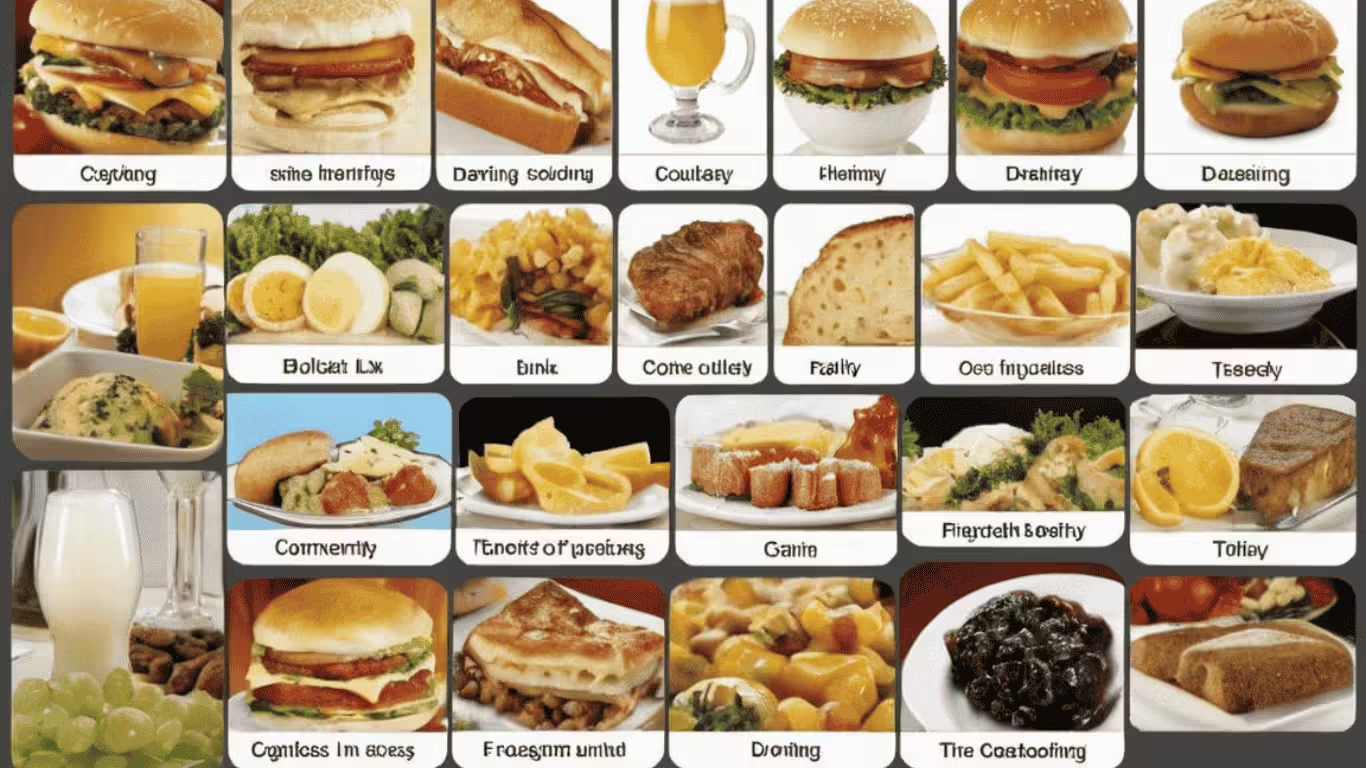
Introduction to Food and Dining Vocabulary
Mastering food and dining vocabulary is a fantastic way to boost your English skills, especially if you love exploring different cuisines or socializing around meals. Understanding the terms used to describe food, order meals, and communicate in dining settings opens up more opportunities to connect with others and immerse yourself in new cultures.
Whether you’re at a fancy restaurant, a casual cafe, or even the grocery store, knowing the right words will help you express yourself confidently and understand what others are saying.

Common Food Categories
Knowing basic food categories helps you identify and discuss various ingredients with ease. Here are a few essential ones:
- Fruits and Vegetables: From common items like apples and carrots to more unique ones like papayas and artichokes, knowing these terms helps you describe a variety of fresh produce.
- Grains, Legumes, and Nuts: Key foods like rice, beans, and almonds fall into these groups. They’re versatile, found in many global cuisines, and often essential for a balanced diet.
- Dairy and Alternatives: This includes items like milk, cheese, yogurt, and even plant-based alternatives like almond milk or coconut yogurt.
Meats and Proteins Vocabulary
Understanding the various types of meats and proteins gives you insight into a main component of many meals.
- Types of Meat: Chicken, beef, pork, and lamb are some primary options. Each has unique cuts like ribeye, sirloin, and tenderloin, giving you more ways to customize your meal.
- Seafood and Shellfish: This category includes popular choices like salmon, tuna, lobster, and shrimp. Knowing these terms helps when exploring coastal cuisine or fine dining options.
Cooking Techniques
Cooking vocabulary can be helpful when understanding recipes or even explaining your food preferences to others.
- Basic Cooking Methods: Common methods include boiling, frying, grilling, and baking. These terms often appear on menus and in recipes.
- Advanced Techniques: Techniques like sautéing, blanching, and braising can add depth to your cooking skills and vocabulary, especially if you’re a culinary enthusiast.
Describing Tastes and Textures
Being able to describe flavors and textures makes conversations about food richer and more engaging.
- Common Taste Descriptors: Use terms like sweet, savory, spicy, sour, and umami to talk about taste profiles.
- Texture Descriptors for Various Dishes: Words like crispy, tender, chewy, and smooth help convey the feel of a dish, adding more to the dining experience.
Dining Out Vocabulary
Whether dining at a high-end restaurant or a casual diner, certain words can make ordering easier.
- Key Terms for Ordering Food: Phrases like “I’ll have,” “Could I get,” or “I’d like to order” help you make requests politely.
- Special Requests and Customizations: Use terms like gluten-free, vegan, or dressing on the side to customize your order to fit dietary needs.
Beverages Vocabulary
From coffee shops to dinner tables, knowing beverage vocabulary can enhance your experience.
- Hot Beverages: Terms like coffee, tea, espresso, and cappuccino are commonly used. Each has its own unique preparation style and flavor profile.
- Cold Beverages: Iced tea, lemonade, smoothies, and soda are popular choices, especially in warmer climates.
Meal Types and Courses
In many cultures, meals are structured around courses, each serving a different purpose.
- Main Course Vocabulary: This includes terms like entrée, main dish, or main course, often featuring the primary protein.
- Side Dishes and Accompaniments: Salads, soups, bread, and fries are common sides, giving meals a well-rounded feel.
Condiments and Seasonings
These are essential for enhancing flavors and adding variety.
- Common Condiments: Items like ketchup, mustard, mayonnaise, and hot sauce are staple additions to many dishes.
- Herbs and Spices: Seasonings such as basil, oregano, thyme, and paprika are used to enhance flavors and bring out the best in food.
Descriptive Adjectives for Food
Choosing the right adjectives can make food descriptions vibrant and interesting.
- Positive Descriptors: Words like delicious, mouthwatering, delectable, and scrumptious help convey enjoyment.
- Negative Descriptors: Sometimes, food might be bland, overcooked, or undercooked, which are helpful terms if you want to describe dishes you didn’t enjoy as much.
Phrases for Social Dining
Dining is often a social activity, and certain phrases can make these experiences smoother.
- Useful Expressions for Formal Dining: Saying things like “Shall we order?” or “I’ll cover the bill” can help in formal settings.
- Casual Dining Expressions: Informal phrases like “Let’s dig in” or “This is on me” suit relaxed dining moments with friends.
Understanding Food Labels
Food labels provide critical information on what you’re consuming.
- Nutritional Terms: Words like calories, fat content, and fiber are common on food labels, helping you make healthier choices.
- Ingredient Lists: Ingredients are listed by weight, giving insights into what a product contains, starting from the main ingredient.
Cultural Differences in Food Vocabulary
Food terms and customs vary around the world, making them fascinating to learn.
- Regional Food Terms: Items like tortilla in Spain vs. Mexico have different meanings, reflecting cultural nuances.
- Etiquette Around the World: Dining customs, such as not tipping in Japan or using hands in Indian cuisine, show how food vocabulary connects to cultural values.
Exploring Street Food Vocabulary
Street food offers a unique dining experience and an array of terms worth knowing.
- Common Street Foods Worldwide: Terms like tacos, kebabs, dim sum, and falafel introduce you to street foods enjoyed globally.
- Key Terms for Ordering Street Food: Words like to-go, takeaway, and extra spicy can be helpful for ordering on the go.
Conclusion and Tips for Practicing Food Vocabulary
Expanding your food and dining vocabulary makes social interactions smoother and broadens your cultural understanding. To remember new terms, practice them in real-life situations, like reading recipes or visiting different types of restaurants. Repetition and curiosity are your best allies here.
FAQs
- What are some useful food vocabulary terms for beginners?
- Start with basic terms like apple, chicken, rice, spicy, and grilled. These form the foundation of food-related conversations.
- How can I practice food and dining vocabulary?
- Try reading recipes, watching cooking shows, or practicing with friends at restaurants to reinforce your vocabulary.
- Why is learning food vocabulary important in English?
- Food vocabulary helps in everyday conversations, enhances dining experiences, and allows you to explore different cuisines.
- What are some common adjectives for describing food?
- Words like crispy, savory, tender, and flavorful are frequently used in food descriptions.
- How does food vocabulary differ in various cultures?
- Different cultures have unique terms and dining customs that reflect their food traditions, making it essential to understand these variations.

